Best AI Iridology Tools in 2026: Every Major Platform Compared
A comprehensive comparison of every AI-powered iridology platform available right now, from smartphone apps to professional iriscope systems. What each offers, what each costs, and who each is built for.
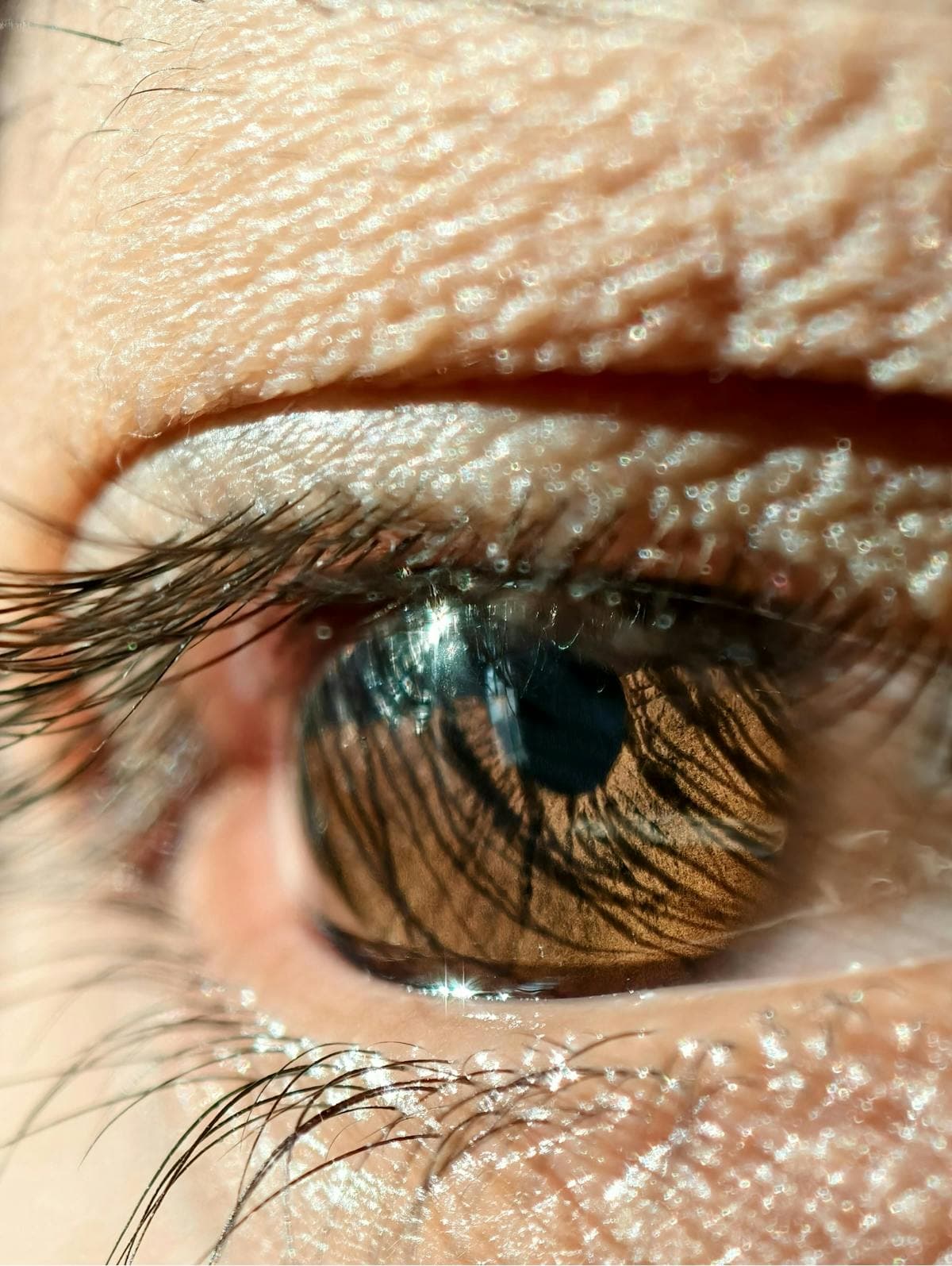
The AI iridology space has exploded over the past two years. What was once a handful of niche research projects is now a crowded market with apps, professional hardware bundles, and cloud platforms all claiming to analyze your iris and reveal something meaningful about your health.
If you have spent any time looking into these tools, you have probably noticed the landscape is messy. Some products are transparent about what they can and cannot do. Others bury disclaimers in fine print. Pricing ranges from free smartphone downloads to multi-thousand-dollar iriscope kits. And separating legitimate wellness technology from marketing hype requires more effort than it should.
This article is a straight comparison of every major AI iridology platform we could find in 2026. We looked at what each one actually does, how it works, what it costs, and who it makes sense for. Full disclosure up front: Iridology AI is our product, and we will cover it alongside every other platform with the same level of detail.
The Major Platforms
Iridology AI
What it is: A web-based iris analysis platform that runs entirely in the browser. You upload a photo of your eye, and the system generates a detailed wellness report mapping iris zones to body systems.
How it works: The platform uses computer vision models to detect iris boundaries, identify zones according to traditional iridology charts, and flag notable features like pigment changes, fiber density variations, and structural patterns. Reports include visual annotations, risk scoring for different body systems, and tracked comparisons over time.
Cost: Freemium. Basic scans are free. Full reports with detailed annotations and history tracking require a subscription.
Best for: People who want to try iridology analysis without buying hardware, and practitioners who want a quick screening tool they can use with any camera.
Transparency note: This is our product. We built it because we believe AI can make iridology more consistent and accessible. We do not claim it diagnoses disease. We are explicit about that on every report. We mention this first because you deserve to know the bias upfront.
IrisMapper (by IRISLAB)
What it is: A professional-grade iridology mapping platform that integrates with dedicated iriscope hardware. IRISLAB has been in the iridology software space for several years, and IrisMapper represents their move into AI-assisted analysis.
How it works: IrisMapper pairs with their branded iriscope cameras. The software captures high-resolution iris images, runs automated zone detection, and generates practitioner-facing reports. The AI component focuses on feature consistency, comparing current scans against the patient's history to highlight changes.
Cost: Software license starts around $500 per year. Iriscope hardware is sold separately and ranges from $800 to $3,000 depending on magnification and connectivity options.
Best for: Established iridology clinics and naturopathic practices that want a complete capture-and-analyze workflow. The hardware integration is the main selling point. If you already own a compatible iriscope, the software works as a standalone product too.
AIGAL
What it is: A Chinese company producing both iriscope hardware and AI analysis software. AIGAL has a significant presence in the Asian market and has been expanding into Europe and North America.
How it works: Their system is built around their own iriscope devices, which feed directly into their analysis platform. The AI identifies iris features and cross-references them against their database, which they claim contains millions of iris samples. Reports are available in multiple languages.
Cost: Hardware and software bundles typically start around $1,200 and go up depending on the iriscope model. Software updates are included for the first year, then require a renewal fee.
Best for: Practitioners who want an all-in-one hardware and software solution at a mid-range price point. The multilingual support makes it a practical option for practices serving diverse populations.
Things to consider: Documentation and customer support are primarily in Mandarin, though English materials have improved. The sample database they reference is impressive in size, but independent validation of their AI accuracy is limited in English-language literature.
MAIKONG
What it is: Another Chinese manufacturer that produces iriscope hardware paired with iridology analysis software. MAIKONG is one of the better-known names in the lower-priced segment of the market.
How it works: Similar to AIGAL, MAIKONG sells iriscope cameras that connect to their analysis software. The software performs iris zone mapping and generates reports with health tendency indicators. They offer both desktop and portable iriscope options.
Cost: This is where MAIKONG differentiates itself. Complete kits with iriscope and software start around $300, making it one of the most affordable entry points for practitioners who want dedicated hardware.
Best for: Budget-conscious practitioners or those just starting out who want to test whether iridology analysis fits into their practice before investing in premium equipment.
Things to consider: The lower price point shows in build quality and software polish. Reports are less detailed than what you get from IrisMapper or AIGAL. The AI analysis is more basic, relying more on simple zone mapping than on the deeper feature extraction that higher-end platforms perform. For the price, though, it is functional.
Eye Photo
What it is: A smartphone-based iris photography app that focuses on the capture side rather than the analysis side. Eye Photo helps you take consistent, high-quality iris photos using your phone camera.
How it works: The app guides you through the photography process with real-time feedback on focus, lighting, and positioning. It stores photos in a standardized format that can be exported to other iridology platforms for analysis. Some versions include basic overlay features that map iris zones onto your photo.
Cost: Free with in-app purchases for advanced features like cloud storage and batch export.
Best for: Anyone who wants to capture quality iris photos without buying an iriscope. It works well as a companion tool alongside platforms like Iridology AI that accept standard photo uploads.
Things to consider: This is not an analysis tool. It is a photography tool. If you want AI-powered insights, you will need to pair it with a separate analysis platform. But as a capture tool, it does a solid job of solving the hardest part of DIY iridology: getting a clear, usable iris image with a phone camera.
IrisInsight
What it is: A cloud-based iridology analysis platform that accepts photos from any source, including smartphones and iriscope cameras. IrisInsight positions itself as a practitioner tool with features designed for clinical workflows.
How it works: You upload iris images through their web interface or API. The platform runs AI analysis and generates reports that include zone mapping, feature identification, and trend tracking across multiple sessions. They offer a white-label option for practitioners who want to put their own branding on the reports.
Cost: Tiered subscription starting around $50 per month for individual practitioners, with higher tiers adding multi-practitioner support, API access, and white-label capabilities.
Best for: Practitioners who already have their own capture workflow and just need the analysis component. The white-label option is particularly useful for clinics that want to present reports under their own brand.
Eye 2 I
What it is: A mobile app that analyzes iris photos directly on your phone. Eye 2 I markets itself as a personal wellness tool, targeting consumers rather than practitioners.
How it works: You take a photo of your eye with your phone camera, and the app analyzes it on-device or through a cloud backend. It generates a wellness report that maps iris features to body systems and provides lifestyle recommendations.
Cost: Free download with premium features behind a subscription, typically around $10 to $15 per month.
Best for: Curious individuals who want to experiment with iridology without committing to professional equipment or paid platforms.
Caution required: Eye 2 I has attracted criticism for marketing language that implies diagnostic capability. Their website and app store listings have at various points included claims about detecting health conditions that go well beyond what iridology science supports. They have also advertised accuracy rates that are not backed by published, peer-reviewed validation studies. Some versions of their marketing have claimed "100% accuracy" in iris analysis, which is a red flag in any health-adjacent field. No AI system analyzing iris photos achieves perfect accuracy, and any platform making that claim should be approached with significant skepticism. Use this app if you want to experiment, but take its output as entertainment rather than medical guidance.
How to Choose
The right tool depends entirely on what you are trying to do. Here is a practical breakdown by use case.
You are a wellness practitioner building a practice. You want a complete workflow: capture, analyze, present. IrisMapper or AIGAL are the strongest options here because they handle the full pipeline with dedicated hardware. MAIKONG is worth considering if budget is tight. IrisInsight works if you already have capture sorted and just need analysis plus branding. Take time to test the software interface before committing to hardware. Most of these companies offer demo versions or trial periods. Use them. A platform that looks good in a product demo can feel completely different when you are actually using it with real patients in a busy appointment schedule.
You are a practitioner who wants to add iridology as a supplementary service. You probably do not need a $3,000 iriscope right now. Iridology AI or IrisInsight let you start with photos from existing equipment or even smartphone cameras, keeping your upfront cost low while you evaluate whether iridology fits your practice.
You are an individual curious about iridology. Start free. Eye Photo for capturing a good image, then Iridology AI for a free basic analysis. If you want more depth, the paid tiers on either platform cost less per month than a single supplement bottle. Skip the hardware entirely unless you become genuinely invested in the practice. And remember that a single snapshot only tells you so much. The real value in iridology, according to its practitioners, comes from tracking changes over time. So pick a platform that makes it easy to compare past and present scans rather than one that only generates a one-off report.
You are a researcher or developer. Look for platforms with API access. IrisInsight offers this on higher tiers. Iridology AI has a documented API for programmatic analysis. Most of the hardware-bundled options are closed systems that do not expose their analysis pipeline.
What to Watch Out For
The rapid growth of this market has brought out some patterns worth flagging.
Diagnostic claims are the biggest red flag. No AI iridology tool diagnoses disease. If a platform's marketing suggests it can detect cancer, diabetes, heart disease, or any other specific medical condition from an iris photo, that platform is either lying or dangerously overstating its capabilities. Iridology identifies tendencies and patterns. It does not diagnose. Legitimate platforms are explicit about this distinction.
"100% accuracy" claims mean run. We called out Eye 2 I for this, but they are not alone. Any platform advertising perfect or near-perfect accuracy in iris analysis is not being honest. Iris analysis involves subjective interpretation, even when assisted by AI. Different practitioners looking at the same iris can arrive at different assessments. AI does not eliminate that subjectivity entirely; it introduces its own uncertainty. Look for platforms that discuss their limitations openly.
Beware of hidden costs. Some platforms advertise low entry prices but lock essential features behind expensive add-ons. Before committing, check whether the basic tier actually generates usable reports or if it is just a teaser that pushes you toward a premium plan. Ask whether software updates are included or require separate renewal fees.
Check the data privacy practices. You are uploading photos of your eyes, which are biometric data. Find out where images are stored, whether they are used to train AI models, and whether you can request deletion. Platforms operating in the EU should comply with GDPR. Platforms operating elsewhere may have weaker protections. If a platform's privacy policy is vague about data retention or third-party sharing, that is a concern.
Validate the hardware claims. If a platform sells iriscope hardware, check the actual specifications. Some lower-priced iriscope cameras have resolutions that are barely better than a modern smartphone camera in good lighting. You may be paying for the form factor and the software integration rather than genuinely superior optics. Compare the hardware specs against your phone camera specs before buying.
Look for practitioner reviews, not just user reviews. App store reviews from casual users are not very useful for evaluating professional iridology tools. Look for feedback from actual practitioners on forums, in professional associations, or in published case studies. The iridology community is small enough that practitioners tend to share honest assessments of the tools they use. Reach out to practitioners on social media or at conferences if you can. Most are willing to share their experiences, both positive and negative, with specific platforms.
Final Thoughts
AI iridology in 2026 is a genuinely interesting space, but it requires discernment. The technology behind iris analysis has improved significantly over the past few years. Computer vision models can now detect subtle features in iris images that would be difficult for a human eye to catch consistently. Automated zone mapping reduces the variability that has historically plagued iridology as a practice.
But the gap between what the technology can do and what some platforms claim it can do remains wide. The best tools in this space are the ones that are honest about that gap. They tell you what they measure, how they measure it, what the limitations are, and what the output should and should not be used for.
If you are evaluating these platforms, start with your actual needs rather than the marketing. Do you need hardware integration or are you fine with smartphone photos? Do you need white-label reports or is a standard format acceptable? Do you need API access or is a web interface sufficient? Answer those questions first, then pick the platform that fits your needs and your budget.
The landscape will continue to shift rapidly. New entrants appear regularly, and existing platforms update their AI models and feature sets on a frequent basis. The comparison here reflects the state of things in early 2026. Before making a purchasing decision, check the current pricing and features directly from each platform, as changes happen frequently in this market.
What has not changed, and likely will not, is the need for skepticism. Iris analysis is a wellness tool, not a diagnostic instrument. The AI makes it more consistent and more accessible, but it does not make it infallible. The platforms that acknowledge that are the ones worth your time and money.
Tags
Ederson F. Fagundes
Founder & Full-Stack Developer
Stay Updated with Our Latest Insights
Get the latest research, wellness tips, and product updates delivered to your inbox.
No spam, unsubscribe at any time.
Recommended Reading
Every Photo-Based Wellness Platform Compared: Skin, Face, Food, and Iris Analysis
SkinVision analyzes moles. Binah.ai reads your heart rate from your face. SnapCalorie counts calories from your lunch. Iridology AI maps your iris. Here's how every photo-based wellness platform works, what they measure, and which ones are worth trying.

AI + Iridology: Practical Benefits for Clinicians and People
Explore how artificial intelligence is enhancing the accuracy and accessibility of iris analysis, bringing this ancient practice into the digital age.