Every Photo-Based Wellness Platform Compared: Skin, Face, Food, and Iris Analysis
SkinVision analyzes moles. Binah.ai reads your heart rate from your face. SnapCalorie counts calories from your lunch. Iridology AI maps your iris. Here's how every photo-based wellness platform works, what they measure, and which ones are worth trying.
Every Photo-Based Wellness Platform Compared: Skin, Face, Food, and Iris Analysis
Your phone camera is a health sensor
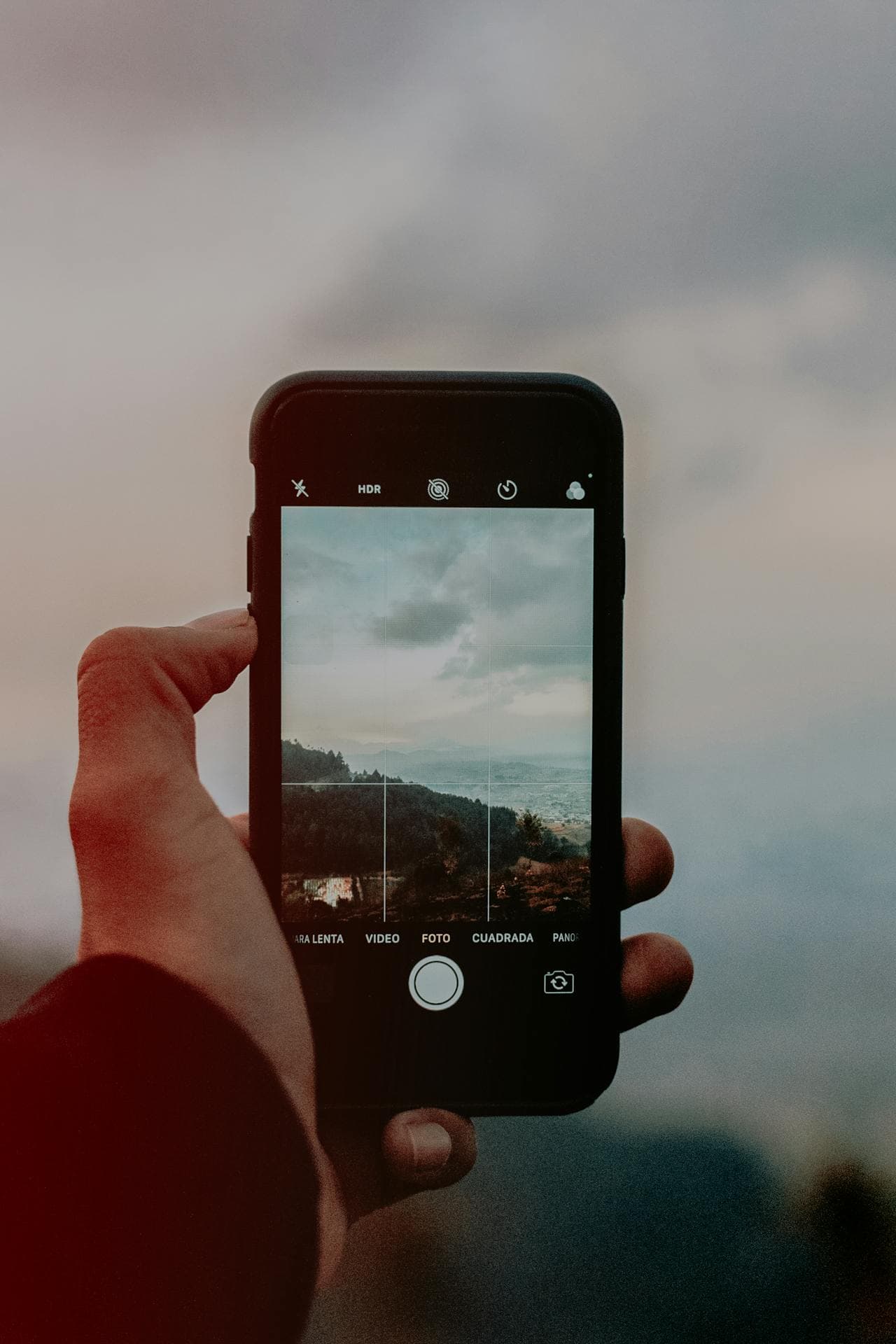
Most people use their phone camera for photos and video calls. But over the last few years, a wave of companies has turned that same lens into a diagnostic tool. Not a medical device, not a replacement for your doctor, but a surprisingly capable wellness instrument that can read your pulse from your face, flag a suspicious mole on your arm, estimate the calories on your plate, or map the patterns in your iris.
These platforms all follow the same basic idea: point your camera at something (your skin, your face, your food, your eye), and AI does the rest. The quality varies a lot. Some have clinical validation. Some are little more than marketing dressed up in machine learning. Some sit in between: useful as a first-pass screening tool but not something you should bet your health on.
This article breaks down eight of the most talked-about photo-based wellness platforms. For each one, I cover what it actually does, how the technology works behind the scenes, what the science says, and who it is genuinely useful for.
SkinVision: mole tracking with a clinical backbone
SkinVision is probably the most well-known photo-based skin analysis tool. It has been around since 2011 and has built a significant user base in Europe and Australia.
What it does: You photograph a mole or skin spot using the app. SkinVision's algorithm assesses it and returns a low, moderate, or high risk rating. The app tracks the same spot over time with side-by-side comparisons.
The technology: The core is a convolutional neural network trained on hundreds of thousands of dermoscopic images. It has been validated in multiple clinical studies, including a 2019 study published in the Journal of the European Academy of Dermatology and Venereology that reported sensitivity above 95% for detecting skin lesions requiring clinical attention.
What the science actually says: The high sensitivity numbers look impressive, and they are. But sensitivity only measures whether the system catches the dangerous lesions. It does not measure specificity, which is how often the system correctly identifies harmless spots as harmless. High sensitivity with lower specificity means a lot of false alarms. For a screening tool, false alarms are acceptable. They are not ideal, but they beat missing something dangerous.
Who it is for: People who have fair skin, lots of moles, a family history of melanoma, or just want a structured way to track skin changes over time. It works best as a complement to regular dermatologist visits, not a substitute.
Binah.ai: vital signs from a selfie
Binah.ai takes a completely different approach. Instead of looking at your skin, it looks at your face, specifically the tiny color changes in your skin caused by blood flow. This is called rPPG (remote photoplethysmography), and it lets Binah.ai extract heart rate, heart rate variability, respiration rate, blood oxygen saturation, and even stress levels from a 30-second selfie video.
What it does: You hold your phone at arm's length, start a short video, and the app returns a set of vital sign readings. It also offers a blood pressure estimation feature, though this one requires calibration with a traditional cuff.
The technology: The camera captures the video, and the algorithm analyzes the red, green, and blue channels of the pixels on your forehead and cheeks. Blood absorbs and reflects light differently depending on oxygenation, so as your heart pumps, the color profile shifts slightly. These shifts are too subtle for a human eye to see, but they are measurable with a decent camera sensor.
What the science actually says: rPPG is a real, well-studied technique. Multiple peer-reviewed papers confirm it can match wearable devices for heart rate and heart rate variability accuracy. Blood pressure estimation from rPPG is newer and less validated. Binah.ai has published their own validation data, but independent third-party studies are still limited.
Who it is for: People who want quick vital sign checks without wearing anything. Fitness enthusiasts tracking recovery, remote workers monitoring stress, or anyone curious about heart rate variability as a wellness metric. The blood pressure feature is promising but not yet reliable enough for clinical decisions.
NuraLogix Anura: emotional wellness from facial blood flow
NuraLogix, the company behind Anura, uses the same rPPG technology as Binah.ai but focuses more on emotional and mental wellness indicators. Their app measures heart rate, respiration, and then goes further into stress, fatigue, and mood indices.
What it does: A 30-second video selfie gives you a dashboard of physical and emotional metrics, including a "wellness score" that combines several readings into a single number.
The technology: Same rPPG foundation as Binah.ai, but NuraLogix applies additional models on top to infer psychological states from physiological signals. The connection between heart rate variability and stress is well established. The jump from physiological signals to specific mood labels is where things get less precise.
What the science actually says: The physiological readings (heart rate, HRV, SpO2) are on solid ground. The wellness and mood scores are more interpretive. They can be directionally useful (stressed today versus not stressed), but they should not be treated as precise measurements of emotional state.
Who it is for: People interested in tracking stress and recovery patterns. Useful for spotting trends over weeks, not for diagnosing any condition. If you are already tracking HRV through a wearable, Anura offers a camera-based alternative that requires no hardware.
SnapCalorie: AI-powered calorie counting from food photos
SnapCalorie approaches wellness from a nutrition angle. You take a photo of your meal, and the app estimates total calories, macronutrient breakdown, and individual food items.
What it does: Point your camera at your plate. The app identifies each food item, estimates portion sizes from the image, and returns a calorie and macro breakdown. It also integrates with popular calorie tracking apps.
The technology: This is a two-stage AI pipeline. The first stage is food recognition, a well-developed computer vision problem. The second stage is portion estimation, which is much harder. SnapCalorie uses depth estimation models to gauge the size and volume of food items from a 2D photo, which helps with portion accuracy.
What the science actually says: Food recognition accuracy has improved dramatically and is now quite good for common foods. Portion estimation remains the weak link. A 2024 study on AI food recognition found that calorie estimation errors of 20-30% are typical. That is not bad for casual tracking, but it means the numbers are approximate.
Who it is for: People who find logging meals tedious and want a faster alternative. Good for general calorie awareness, not for precise dietary management. If you are an athlete or managing a medical condition that requires exact macros, this will not replace a food scale.
Cal AI: the newer entrant in photo-based calorie tracking
Cal AI has gained traction as a leaner alternative to SnapCalorie, focusing on speed and simplicity.
What it does: Similar to SnapCalorie. Take a photo, get calorie and macro estimates. The interface is minimal, and the app emphasizes speed over detail.
The technology: Uses a vision-language model approach, combining object detection with a language model that can reason about food composition. This can handle complex dishes (like casseroles or mixed bowls) better than pure food classification models.
What the science actually says: The vision-language approach is newer and less studied than traditional food recognition pipelines. Anecdotal user reports suggest it handles diverse cuisines well, but independent validation data is sparse. The fundamental limitation of portion estimation from 2D photos applies here just as it does to SnapCalorie.
Who it is for: Casual calorie trackers who want the fastest possible experience. If you eat a varied diet with complex dishes, the vision-language approach might give slightly better food identification than older models.
Shen.AI: blood pressure and cardiovascular risk from a video
Shen.AI sits in the same rPPG space as Binah.ai and NuraLogix but has positioned itself more squarely around cardiovascular health assessment.
What it does: A short video selfie gives you blood pressure readings, cardiovascular risk indicators, and general vital signs. The app is marketed toward health-conscious adults who want to monitor cardiovascular health without a cuff or wearable.
The technology: rPPG-based vital signs plus proprietary models for blood pressure estimation. Shen.AI claims their blood pressure model has been validated against clinical-grade devices, though their published data focuses on group-level accuracy rather than individual reliability.
What the science actually says: Blood pressure from rPPG is one of the harder problems in this space. The technology has shown promise in controlled research settings, but real-world accuracy varies significantly based on lighting, skin tone, movement, and camera quality. Take the numbers as approximate trends, not clinical readings.
Who it is for: Adults who want to keep an eye on blood pressure trends between doctor visits. Shen.AI is more focused on cardiovascular metrics than either Binah.ai or NuraLogix, making it a better fit if heart health is your primary concern.
Haut.AI: skin health analytics for dermatology and cosmetics
Haut.AI takes a different position in the market. Instead of building a consumer app, they provide a skin analysis API and platform used by dermatology clinics, cosmetic brands, and telemedicine services.
What it does: Analyzes facial photos for skin age, wrinkle depth, pigmentation, redness, pore visibility, and other dermatological metrics. It can track changes over time and recommend skincare products based on the analysis.
The technology: Haut.AI uses deep learning models trained on standardized clinical photography. Their platform supports both consumer-grade smartphone photos and professional clinical images, with different accuracy expectations for each.
What the science actually says: Haut.AI has published validation studies for several of their metrics. Wrinkle detection and pigmentation analysis tend to be more reliable than subjective assessments like "skin age." The platform is used by some established cosmetic brands, which provides a degree of real-world validation.
Who it is for: Not a direct consumer tool, but worth knowing about if you use skincare services that integrate with Haut.AI. If your dermatologist or skincare brand uses their platform, the analysis you receive comes from one of the more technically rigorous players in this space.
Iridology AI: iris pattern mapping for wellness insights
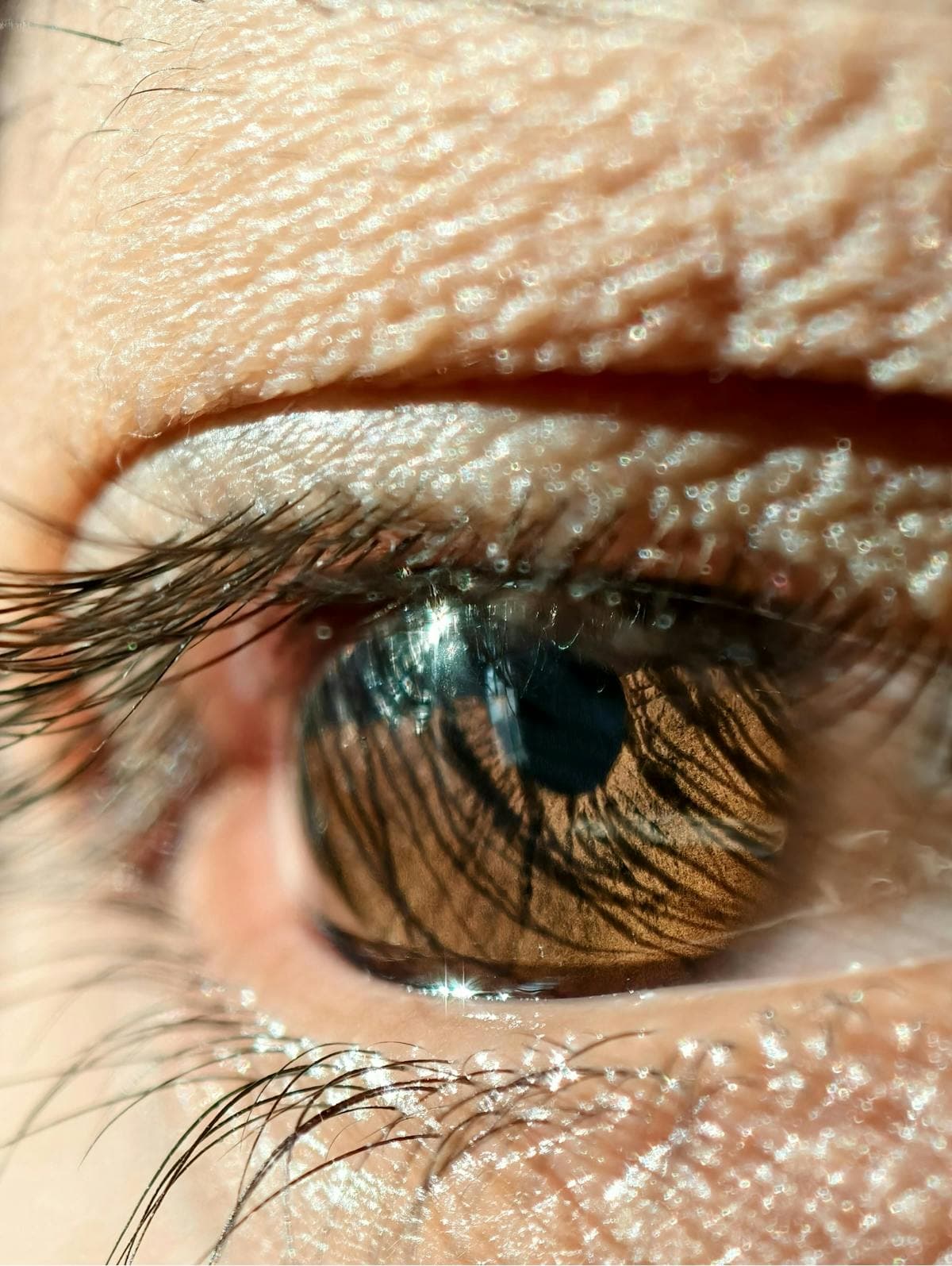
Iridology AI takes the camera in a different direction entirely. Instead of skin, face, or food, it focuses on the iris, the colored part of your eye. The practice of iridology holds that patterns, colors, and structures in the iris reflect information about systemic health.
What it does: You take a close-up photo of your iris. The app maps distinct iris zones, identifies patterns like lacunae, crypts, pigment spots, and fiber density variations, and generates a wellness report with prioritized suggestions.
The technology: Computer vision models segment the iris, detect topographic features, and compare them against reference datasets. The system tracks changes over time, so repeated scans can highlight shifts in iris patterns that might correspond to changes in health status.
What the science actually says: Iridology is a complementary practice. Mainstream medicine does not recognize iris patterns as diagnostic indicators. Proponents point to centuries of observational practice and some modern studies exploring correlations between iris features and genetic predispositions. Critics note the lack of large-scale, controlled clinical trials. The honest position is that iris analysis can be a useful wellness tool for spotting patterns and prompting further investigation, but it is not a diagnostic instrument.
Who it is for: People interested in holistic and complementary wellness approaches. Iridology AI works best as a conversation starter with healthcare practitioners, a tracking tool for longitudinal pattern changes, and a way to engage more deeply with your own health data.
Platform comparison
| Platform | What it analyzes | Primary output | Validation level | Price range | Best for |
|---|---|---|---|---|---|
| SkinVision | Skin moles and spots | Risk rating, tracking | Multiple clinical studies | Subscription | Mole monitoring |
| Binah.ai | Face (rPPG) | Vital signs, HRV, SpO2 | Published validation | Enterprise/B2B | Quick vital checks |
| NuraLogix Anura | Face (rPPG) | Vitals + wellness score | Published validation | Freemium | Stress and recovery tracking |
| SnapCalorie | Food photos | Calories and macros | Limited independent studies | Subscription | Casual calorie tracking |
| Cal AI | Food photos | Calories and macros | Sparse validation | Subscription | Fast meal logging |
| Shen.AI | Face (rPPG) | Blood pressure, vitals | Published (group-level) | Subscription | Cardiovascular trend monitoring |
| Haut.AI | Face (clinical) | Dermatological metrics | Multiple studies | B2B platform | Skincare and dermatology |
| Iridology AI | Iris photos | Wellness report, patterns | Complementary practice data | Freemium | Holistic wellness enthusiasts |
Which one should you try?
The answer depends entirely on what you want to track.
If you are worried about a mole or skin spot: Start with SkinVision. It has the most clinical validation of any platform on this list and is genuinely useful as a first-pass screening tool. Just remember to follow up with a dermatologist for anything flagged as moderate or high risk.
If you want to track stress and recovery: Binah.ai or NuraLogix Anura. Both use the same underlying technology. Binah.ai is more established in enterprise settings, while Anura has a more consumer-friendly app. For most people, the choice comes down to which interface you prefer.
If you want to count calories without the tedium: SnapCalorie or Cal AI. SnapCalorie has been around longer and has more user data. Cal AI uses a newer vision-language approach that might handle complex dishes better. Try both if you can and see which gives you more consistently useful estimates.
If cardiovascular health is your focus: Shen.AI offers the most cardiovascular-specific feature set of the rPPG apps. Pair it with a proper cuff-based monitor for calibration, and use it for trend tracking between doctor visits.
If you are curious about holistic wellness and iris analysis: Iridology AI offers something none of the others do. It is the only platform here that looks at iris patterns, and the longitudinal tracking feature makes it genuinely interesting for people who want to monitor changes over time.
Limitations of photo-based analysis
No matter which platform you pick, there are limitations you should understand going in.
Camera quality matters. All of these tools assume a reasonably modern smartphone camera. Older devices, cracked lenses, or poor lighting will degrade results across the board.
Skin tone affects accuracy. rPPG-based tools (Binah.ai, NuraLogix, Shen.AI) are more accurate on lighter skin tones because the blood flow color changes they measure are easier to detect against a lighter background. Some companies have started addressing this, but the problem is not fully solved.
Portion estimation from photos is inherently imprecise. Both SnapCalorie and Cal AI face the fundamental physics problem of guessing three-dimensional volume from a two-dimensional image. No amount of AI will fully solve this without depth sensors or known reference objects.
These are screening tools, not diagnostic tools. None of the platforms discussed here are approved as medical devices (though some are pursuing regulatory approval). They can flag things worth investigating, but they cannot diagnose conditions or replace professional medical advice.
Privacy is a real concern. You are uploading photos of your face, your skin, or your eyes to a third-party server. Read the privacy policy before you start. Understand what data is stored, how long it is kept, and whether you can delete it.
Final thoughts
Photo-based wellness tools are getting better fast. Five years ago, most of these platforms would have been gimmicks. Today, several of them deliver genuinely useful information. The key is matching the right tool to the right use case and understanding what each one can and cannot do.
SkinVision has the strongest scientific backing. The rPPG platforms (Binah.ai, NuraLogix, Shen.AI) are built on real physics and are useful for trend tracking. The food logging apps (SnapCalorie, Cal AI) make calorie awareness more accessible, even if the numbers are approximate. Haut.AI serves the professional skincare market with solid technical foundations. And Iridology AI occupies a unique space for people drawn to complementary wellness approaches.
The best approach is to pick one or two that match your goals, use them consistently for a few weeks to establish a baseline, and then decide if the insights are worth your time. Use them alongside, not instead of, professional medical care. And if something looks concerning, whether it is a mole, a blood pressure trend, or an iris pattern that changes suddenly, talk to a healthcare provider.
Tags
Ederson F. Fagundes
Founder & Full-Stack Developer
Stay Updated with Our Latest Insights
Get the latest research, wellness tips, and product updates delivered to your inbox.
No spam, unsubscribe at any time.
Recommended Reading
Best AI Iridology Tools in 2026: Every Major Platform Compared
A comprehensive comparison of every AI-powered iridology platform available right now, from smartphone apps to professional iriscope systems. What each offers, what each costs, and who each is built for.

AI + Iridology: Practical Benefits for Clinicians and People
Explore how artificial intelligence is enhancing the accuracy and accessibility of iris analysis, bringing this ancient practice into the digital age.